
LIVING A LOW WASTE LIFE
HOW WE DO IT AND HOW YOU CAN TOO
FEATURED

Many are struggling with the cost of living at the moment. How can you reduce your cost of living by reducing your waste? We share 9 ways in which reducing our waste has reduced our spending and cost of living.

Change your skincare routine from having a negative impact on the planet to sustainable with these 5 steps for a zero waste skincare routine.

Eco-friendly presents for new parents and the new addition to their home! Don’t shower them with unwanted wasteful gifts. Use these baby shower gift ideas and give them something that is sustainable, plastic free, and appreciated by them and the planet.

How do reused forever bottles and refill pouches reduce plastic waste and how much waste is saved by using these instead of single-use plastic packaging? We find out how and how much by looking into what Zero Co has achieved so far in its mission to untrash the planet with its refillable cleaning and body care products.

How to prevent mould by absorbing moisture and dehumidifying your home naturally and sustainably, 10 ways to reuse desiccant packs, and eco-friendly methods you can use to get rid of mould.

Whether it’s your first time doing Plastic Free July or your fifth, there’s always a way to get involved to celebrate this month of using less plastic. You can go small, go hard, go big, or go wide. Either way, decide on your approach this year and start planning how you’ll reduce your plastic waste this July now.

Daily vitamins are a source of plastic waste many, including us, have struggled to remove from their lives… until now! We’ve discovered a number of plastic-free vitamin and supplement options so we can now supplement sustainably.

We share all the basics you need to know to get shaving with a reusable safety razor – how to use it step by step, why it is safer to use than disposable plastic ones and how to care for it to keep it trimming your follicles for years.

Wiping out the competition: which of all the sustainable toilet paper options, bamboo and recycled, and brands is best? What does using reusable bum wipes look like? And, why a bidet is better for your butt and the biosphere.

From sustainably sourced and grown natural materials to reused single-use, these materials replace synthetic ones that are polluting the planet - like fossil fuel derived plastic - and being produced in a non-eco-friendly, unethical way.

What’s the secret to showing up with a single-use-free picnic basket? How can you pull off a zero waste picnic? We share some inspo, tips and easy shared nibbles recipes for keeping picnics as plastic free as possible.

Growing your own produce and flowers saves plastic packaging and other waste, but gardening can create heaps of plastic waste in the form of pots, plastic bags and bottled pest control. Here’s how to go plastic free when cultivating flowers for the bees and farming your own food.

Dreaming of a zero waste kitchen? Investing in these appliances will help you reach this goal by allowing you to make, bake, dehydrate, and aerate your own at home instead of buying plastic packaged goods coming from afar, as well as ensuring no food goes to waste.

Solid soap bars and shampoo and tooth tabs were only the tip of the solidified waste reduction solution iceberg! A whole host of cleaning and bathroom products are now available in tablet, pod or concentrate bar form to replace liquid solutions in plastic packaging and refill reused bottles.

Looking to share or get something repaired? Our directory lists and maps waste reducing sharing economy community initiatives around the world. Discover and get involved in projects in your neighbourhood or get inspired to start one!

We list 16 simple sustainable ways to care for and restore your mental wellbeing that won’t cost a lot or even a thing, or cause unnecessary waste, extraction from, or harm to the Earth.
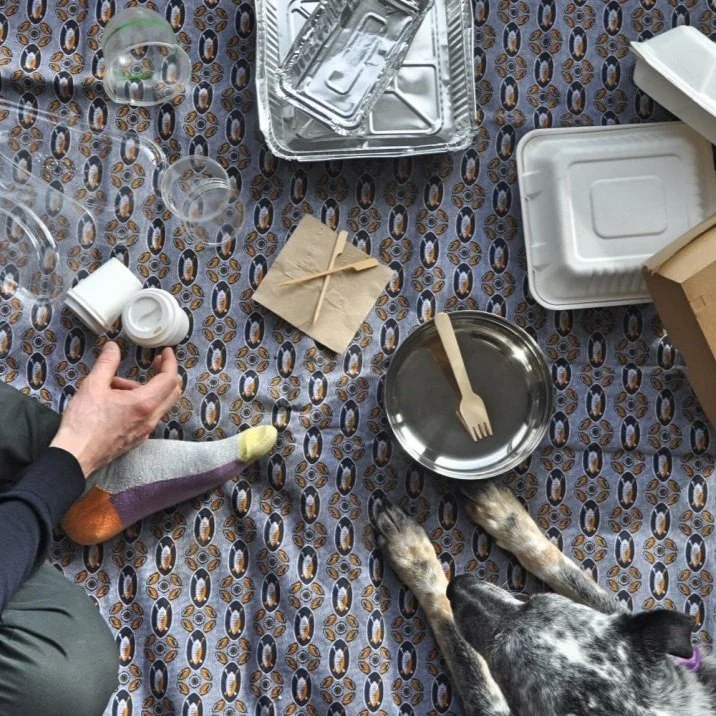
Which of the containers that we picked up during the pandemic at our packaging picnic are actually a plus for the planet? We rate takeaway container options from green to greenwashing to help food places and people pick the most eco-friendly packaging to reduce plastic and other environmental pollution.

Things are a bit different this Plastic Free July (pandemic), and you may not be able to refuse plastic in ways you previously did, but there are still ways in which you can reduce your plastic usage this month. We list 10 of them.
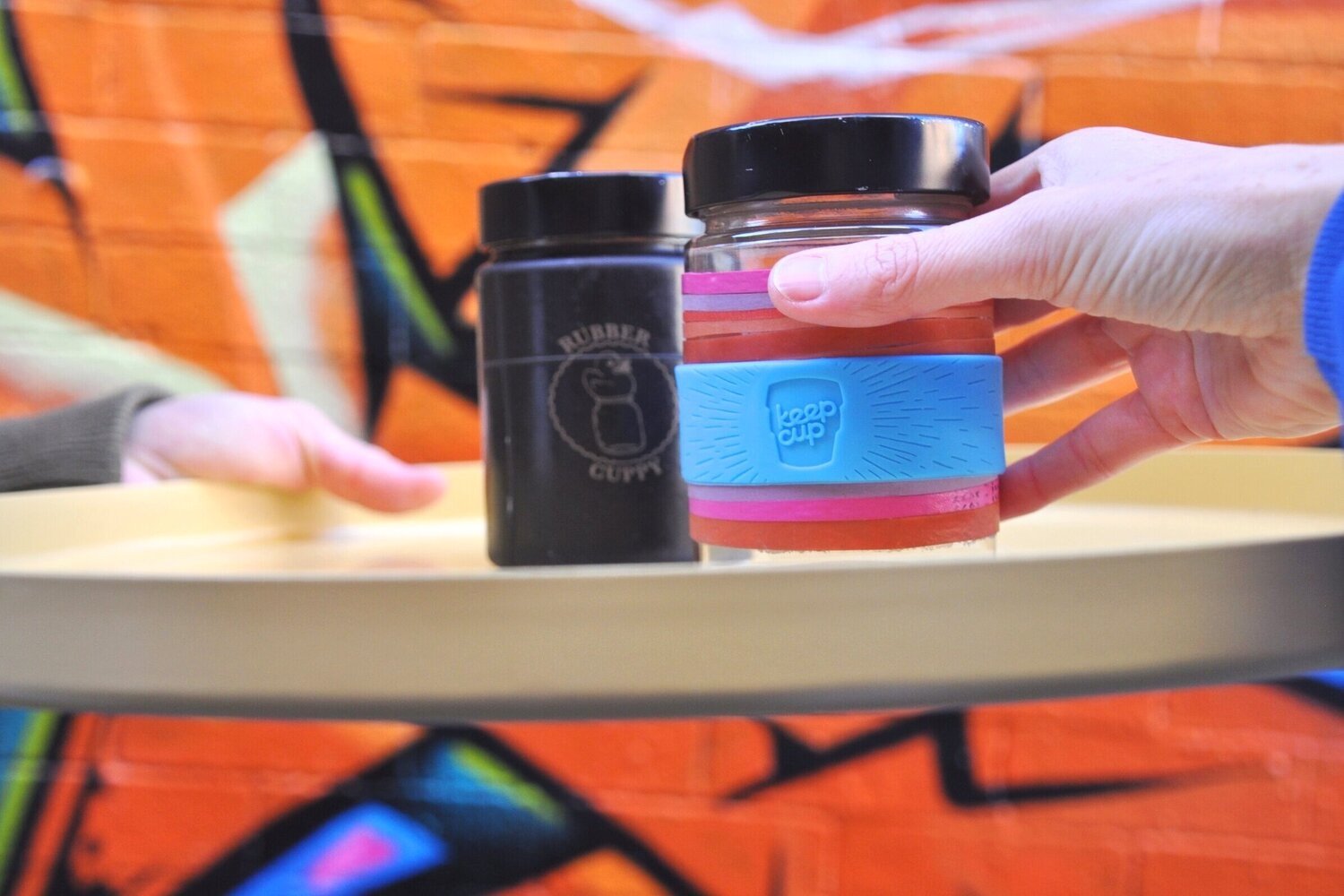
COVID-19 has had many questioning whether it is safe to use reusables and has seen many cafes and restaurants only allowing single-use. We look into whether reusables can be contagious, share how to achieve contactless transfers of food and coffee, and the best way to clean your reusables.

Supporting Black business helps fight racism because it ups BIPOC visibility while reducing challenges they face, like getting credit. We list Black-owned eco-minded businesses to support, as well as BIPOC zero wasters to follow to increase their representation in the space.

We share eco-minded quiet activism we can all do while staying home and avoiding crowds, from subversive acts of making and doing to having our say online, asking those in power what is being done, questioning the status quo, striking digitally, and learning about and talking about environmental issues.

Is the expansion of the reuse systems that have remained up and running during COVID-19 and the adoption of reuse systems by businesses a better way to reuse in the future? We explore why these systems may be better, what is needed for them to be successful, the barriers and benefits of reusable packaging, and the role of legislation.

When we remove plastic and preservatives from our lives, we need to be more careful about food storage as these are no longer protecting our food from spoiling. How do you store bulk-bought dry goods and other packaging-free pantry items so that they don’t spoil and your pantry doesn’t become moth ridden?

Not only life-changing, but Earth-changing, these books will leave you enlightened and the Earth a better place for future generations. We list books on reducing waste, climate change, systemic change, our food system, slow living, and intersectionality to read over the holidays.

It can be hard to stay zero waste when travelling. Where do you buy in bulk, compost food waste, and refill your water bottle with water that is safe to drink? How do you find sustainable businesses to support? Luckily, there’s an app for all of that! We list 4 apps that help us stay low waste when travelling.

Party and event catering often results in landfill bins full of food and disposable, single-use plastic. This is however easily avoidable. We share 9 ways you can make your party plastic free, ensure there is no single use at your sustainable soiree, and put on an eco-friendly event.

The return and refill revolution is here! More and more businesses are creating local circular economies by enabling the return and refilling of their product’s packaging, from milk bottles to cleaning product pouches to bamboo makeup cases. We unpack (and then repack) all the ones we could find.

Looking for a trusted online store to buy zero waste products that only sells truly sustainable products? We list our fav eco stores from all around the world.

How can sex be practiced safely and sustainably? We look into eco-friendly contraception and arousal - finding out what the options are and if they are safe and effective as family planning is an important part of sustainability.
DIYs & Recipes
How to prevent mould by absorbing moisture and dehumidifying your home naturally and sustainably, 10 ways to reuse desiccant packs, and eco-friendly methods you can use to get rid of mould.
What’s the secret to showing up with a single-use-free picnic basket? How can you pull off a zero waste picnic? We share some inspo, tips and easy shared nibbles recipes for keeping picnics as plastic free as possible.
Growing your own produce and flowers saves plastic packaging and other waste, but gardening can create heaps of plastic waste in the form of pots, plastic bags and bottled pest control. Here’s how to go plastic free when cultivating flowers for the bees and farming your own food.

Making up 40% of bins, food waste is a huge waste of resources, is one of the biggest emitters of greenhouse gases, and could be costing your household $3,800 a year! There are many reasons for reducing the amount of food ending up in landfill and the best way to do it is to simply do what it was made for - eat it! So, here’s 14 food waste recipes…

Don’t bother with a bin liner or make one out of newspaper to line your rubbish bin or food scraps bin. Saves you money and saves on plastic use! You can easily DIY one using these step-by-step instructions…

A lot of waste in the kitchen can be prevented by making homemade versions of store-bought items like vanilla essence and milk. We share our top 5 simple DIY recipes that we use to keep our fridge and diet plastic free.

We recently learnt how to make a DIY no-sew reusable shopping bag from an old t-shirt at a Boomerang Bags session. Find a tattered tee and follow these step-by-step directions to make one of your own!
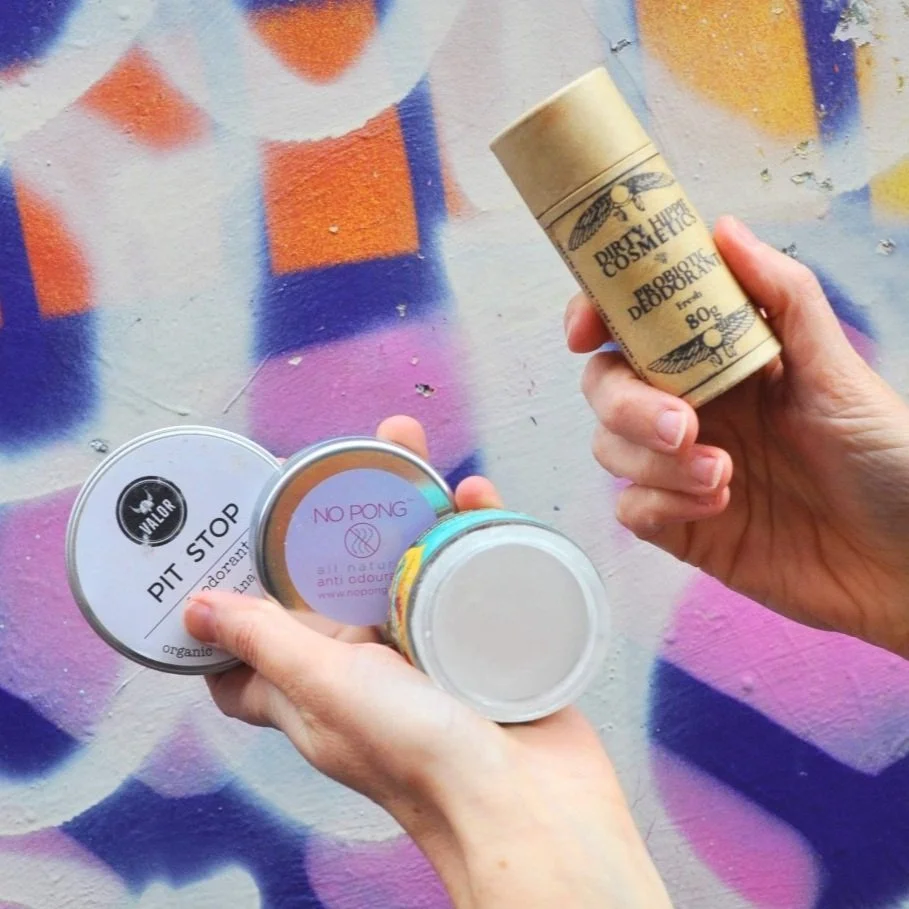
Have you found a zero waste deodorant that works for you or have they been a but iffy and left you a bit whiffy? We look at which all natural deodorants actually work and share recipes, recommendations, and how to detox your pits!

We share how to mindfully choose and consume ethical chocolate eggs and other treats this Easter, from vegan to palm-oil free, plastic free, and waste free, as well as some ideas for zero waste Easter activities.

Moat zero waste beauty and hygiene switches save both waste and money. This is due to either DIYing a cosmetic product instead or buying a single reusable alternative rather than continuing to buy the single-use option over and over again. You won't regret swapping to these eco-friendly bathroom product options...

You can make exfoliating lip scrubs and body scrubs at home using ingredients in your kitchen such as used coffee grounds or brown sugar! Keep your skin exfoliated the zero waste way!

Sore throat, headaches, runny nose and congestion - how do you increase your immunity and fight a cold the natural, zero waste way? We’ve even included a herbal tea recipe that a zero waste neurosurgeon is using to combat hayfever.
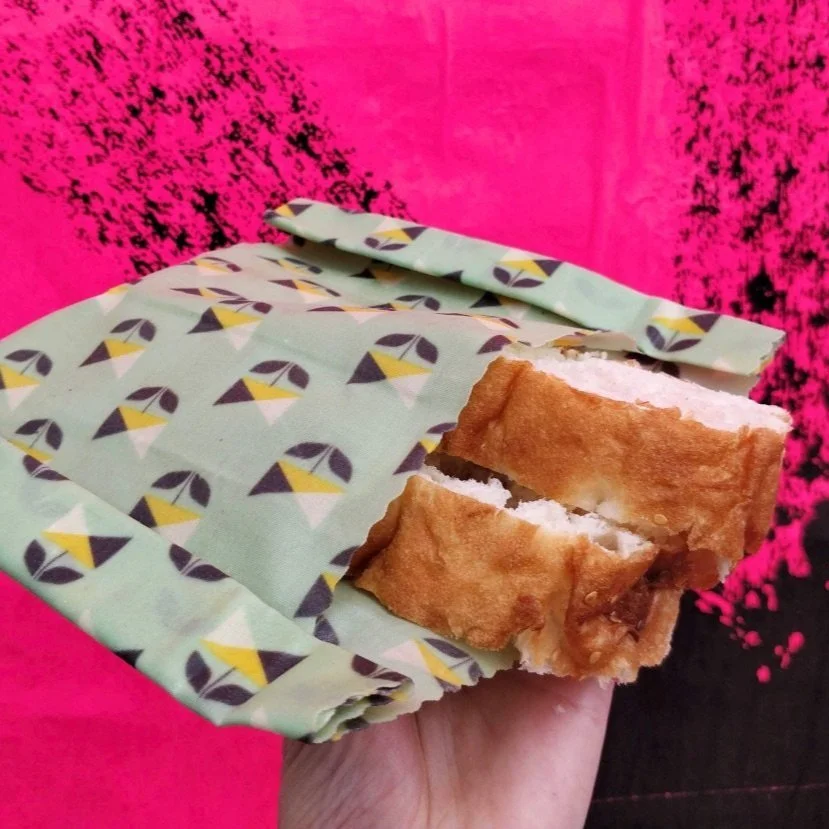
Beeswax wraps can be used in loads of different ways, including as a pouch for getting takeaway food on the go or cheese for a deli. We show you how to fold your beeswax wraps into a sandwich bag to replace plastic baggies.

A furoshiki wrap is a simple square piece of cloth and so much more! Among other things, with a few knots it can be turned into a bag. Here’s how to DIY one and tie it into a bag…

Keeping food in clear, unlabelled glass jars can get confusing and it is important to know the expiry date. So, how can you create DIY labels for your jars that are zero waste and reusable?

Keen to DIY your cleaning supplies to keep your sprays simple and waste free? Use these white vinegar cleaner recipes! Vinegar forms the base for many homemade cleaners. Find out how to use it to clean your home…

Making homemade vegetable stock from veggie scraps is how we avoid buying packaged stock from the supermarket. It is not only waste free; it is cost free as well. Here's what vegetables to use and how to make the stock on the stove and in a slow cooker and an Instant Pot.
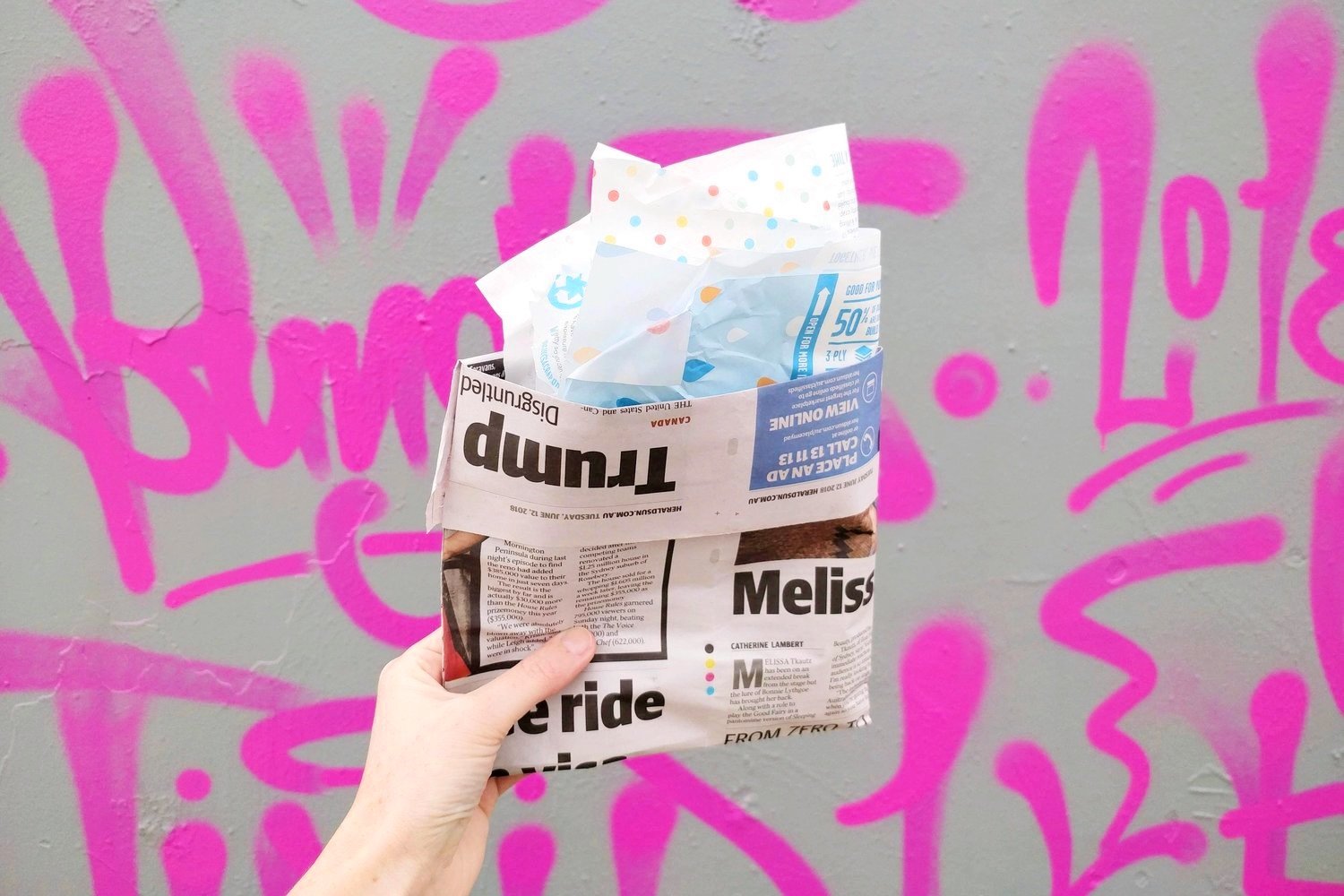
Looking for an alternative to plastic dog poop bags? These DIY newspaper bags are the perfect solution. No more paying for poo bags and no more plastic! Learn how to make a newspaper pet waste pickup pouch…

where to shop zero waste in Australia
take our 8 weeks to waste free challenge
Buying deodorant plastic free has never been easier with many different options for your armpits now available. Whether you want to use deodorant in a reusable applicator or are happy to smear it on from zero plastic packaging, you can smell good sustainably.